A roof replacement usually runs through an inspection and written quote, contract and any approvals, ordering materials and booking around the weather, site set-up with edge protection, stripping the old roof in sections, batten and tie-down work, sarking or blanket, the new roof, flashings and capping, then clean-up and handover with photos. Asbestos roofs add a licensed removal stage first.
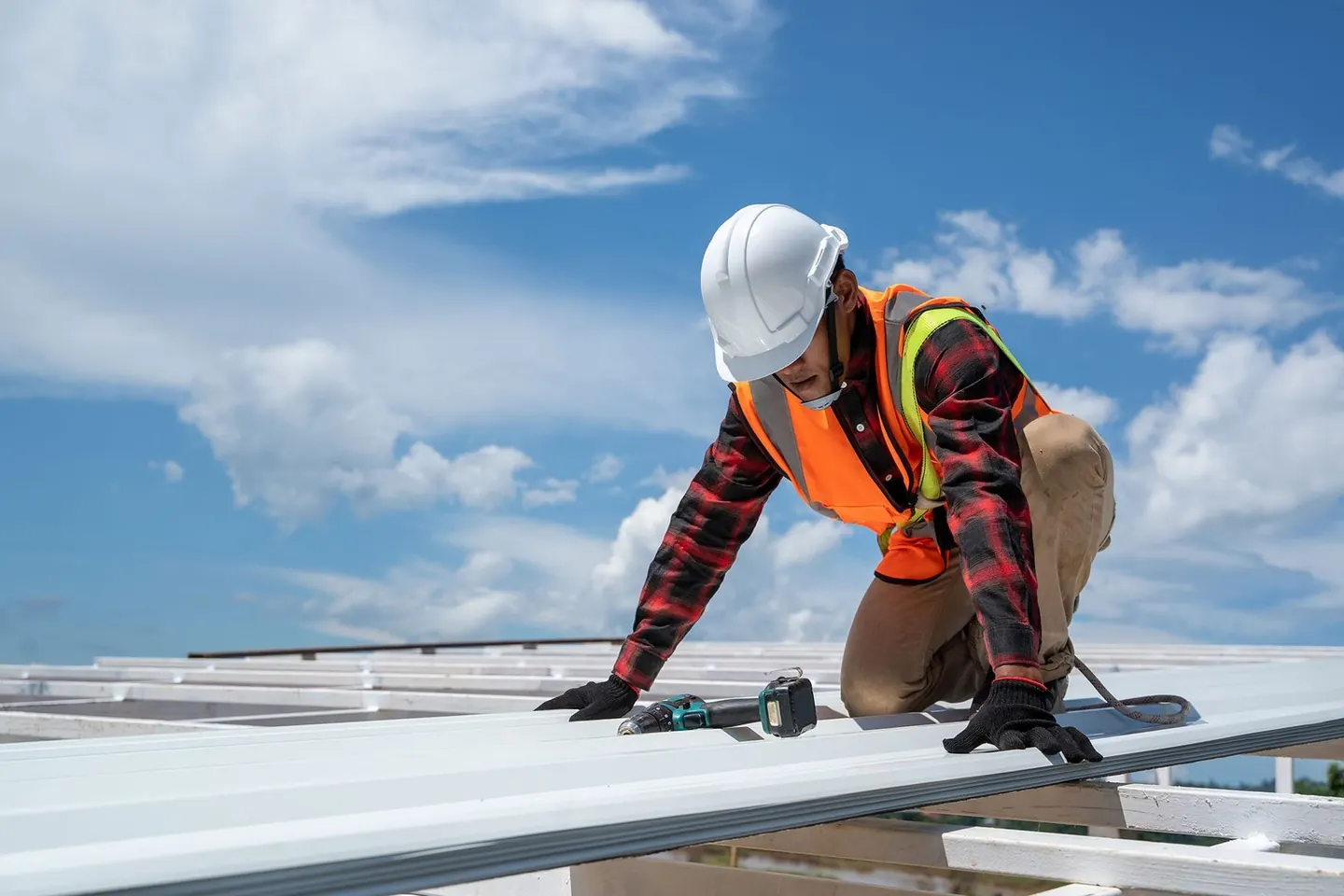
Stage 1: Inspection
A contractor visits, looks at the roof from on top and from the roof space, measures it and photographs problem areas. They should explain what they found, whether repair, restoration or replacement makes sense, and what options you have for materials. Have your questions ready: noise, colour, timing, solar, gutters.
Stage 2: The written quote
The quote should list each part of the job: strip-out and disposal, battens, tie-downs, sarking or blanket, the product, profile, colour and grade, flashings, ridge and hip capping, valleys, penetrations, gutters and downpipes if included, edge protection or scaffold, approvals and clean-up. It should also say how hidden damage will be handled. Compare at least two quotes line by line.
Stage 3: Contract, licence and approvals
Before signing:
- Check the contractor's licence on the QBCC online search.
- Ask whether the job falls under the QBCC Home Warranty Scheme.
- Read the contract, including the payment schedule and variation process. The QBCC explains Queensland's rules about domestic building contracts and deposits.
- Confirm whether building approval is needed. Like-for-like re-roofing often does not, but structural changes or a heavier roof can. A private building certifier can advise.
- For asbestos roofs, confirm the removalist's licence and the disposal arrangements.
Stage 4: Scheduling and materials
Materials are ordered to the measurements and colour you chose. The start date is set around the weather; in storm season contractors watch the forecast closely. If solar panels need removal, the electrician is booked.
Stage 5: Preparing the site
Before work starts:
- move cars and clear access to the sides of the house;
- move outdoor furniture, pot plants and anything fragile near the walls;
- remove valuables from the roof space;
- cover furniture in rooms below the work;
- tell neighbours, especially if access or noise affects them;
- keep pets and children away from the work area.
The contractor sets up edge protection or scaffold and may deliver a skip bin.
Stage 6: Asbestos removal (if applicable)
If the roof contains asbestos, a licensed removalist removes it first under Workplace Health and Safety Queensland rules: wetting, careful removal, wrapping and labelling, transport to a licensed facility, and clearance if required. See asbestos roof replacement.
Stage 7: Strip-out
The old roof comes off in sections. A careful contractor strips only what can be closed in before the end of the day, keeps tarps ready, and removes debris as they go. This is the noisy, dusty part.
Stage 8: Frame, battens and tie-downs
With the roof open, the contractor checks rafters and battens, replaces damaged or undersized battens, and checks or upgrades fixings to suit the house's wind classification. If hidden rot or termite damage turns up, they should photograph it, explain it and agree a written variation with you before doing extra work.
Stage 9: Sarking or blanket
A blanket goes under steel roofs; sarking under tiles. Both help with heat, condensation and, for tiles, wind-driven rain.
Stage 10: The new roof
Sheets or tiles are installed, followed by flashings at walls and penetrations, ridge and hip capping, barge capping and valleys. Vents and whirlybirds go in. On steel roofs, swarf should be swept off as work progresses. Solar panels are refitted by the electrician.
Stage 11: Gutters and downpipes
If included, new gutters and downpipes are fitted and connected to the stormwater.
Stage 12: Clean-up and handover
The site is cleaned: debris, screws and offcuts collected, gutters cleared, magnets run over lawns for stray screws. You should receive:
- photos of the work;
- product details, colour and grade;
- warranty documents and care instructions;
- the final invoice;
- any approval or compliance documents.
Walk around with the contractor and look from the ground. Check ceilings after the next heavy rain.
How long does it take?
It depends on roof size, complexity, weather, asbestos and hidden damage. Ask the contractor for an estimate and how weather delays are handled.
Living through it
Most families stay at home during a re-roof. Expect noise from early morning, people on ladders around the house, and limited access to parts of the yard. Working from home can be difficult on strip-out days.
Afterwards
Read how to maintain your roof after replacement. For budgets, see the cost guide. To start with an inspection, call 07 5241 1403 or use the form below.
General information about roofs on the Gold Coast, not advice about your roof. Rules, products and programs change; check with the body named (QBCC, City of Gold Coast, Workplace Health and Safety Queensland) before you act.